by Ryan Markiewicz | Dec 22, 2024 | Berlin's Wall
Getting to Antarctica today. Yesterday we took a Zodiac ride around Elephant Island, the place where Ernest Shackleton’s crew took refuge for the 4 months or so it took for Shackleton and Worsley to navigate a lifeboat 800 miles in some of the roughest seas on earth to get help (If you have not read the book, Endurance” or seen the Shackleton movie, it’s an amazing true story of grit and cohesion and survival.
In fact, both William Shatner and the astronaut Scott Kelly said that it felt like a religious experience being there, seeing the exact spot from which these guys endured. And, in their talk, they each made the point that even though Shackleton’s mission was a failure, his ability to adapt to reality (their ship first got stuck in the ice/then crushed) and change “the plan”, from “being the first to traverse the entire Antarctic continent”, to now, finding a way of getting all 28 men back to England alive. Incredible story of heroism and leadership.
We have already seen penguins (we’ll see LOTS of penguins), seals, and a few whales, and we’re just getting to Antarctica. And we saw (and heard—like thunder) a glacier “calving” yesterday, where the ice breaks off and falls into the ocean, loudly, and creates what we are seeing hundreds of already, icebergs. Took some pics of them this am from our ship. And you’ll notice that even though it is only 5 am, it is light. No darkness in Antarctica at this time of year, their summer.
And, it struck me as funny, that down here, in the God-forsaken place at the bottom of the world, the temperature was 29 degrees Fahrenheit while back home in Erie, it was 24 hahahahaha.
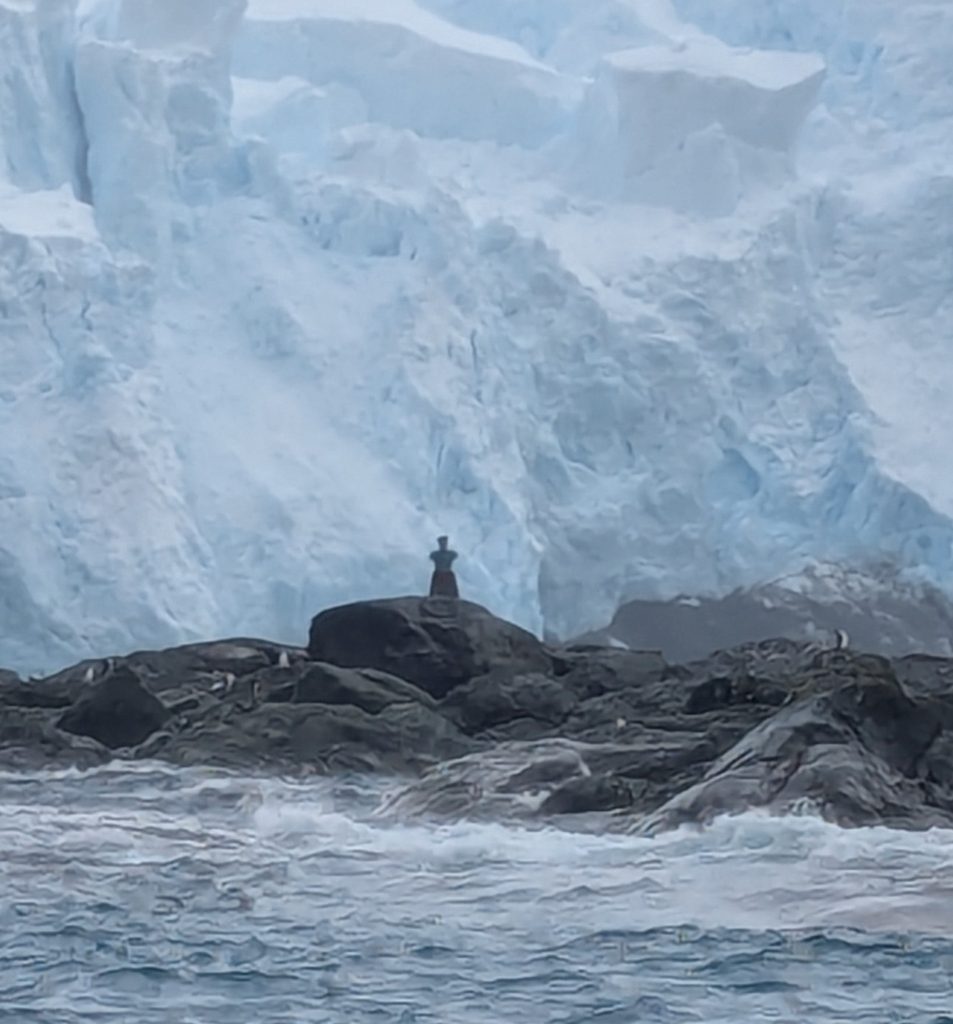
Monument to Chilean officer Luis Pardo on Elephant Island where the men sheltered for 4 months until Pardo steered his ship to rescue them
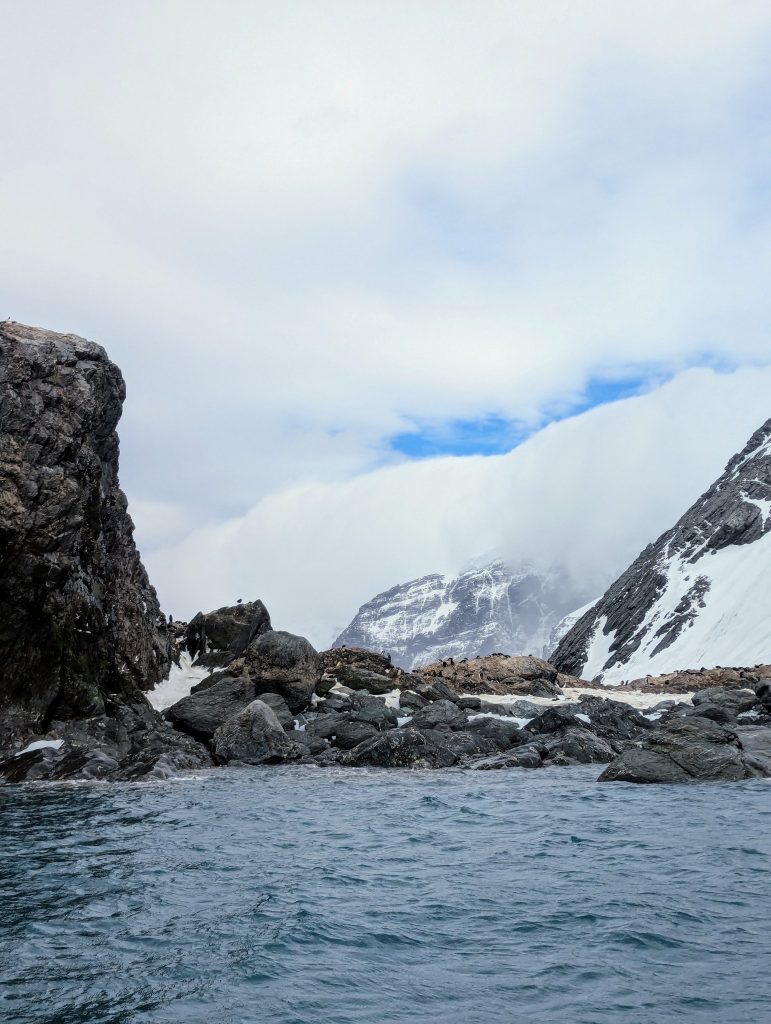
Penguins are everywhere down here.
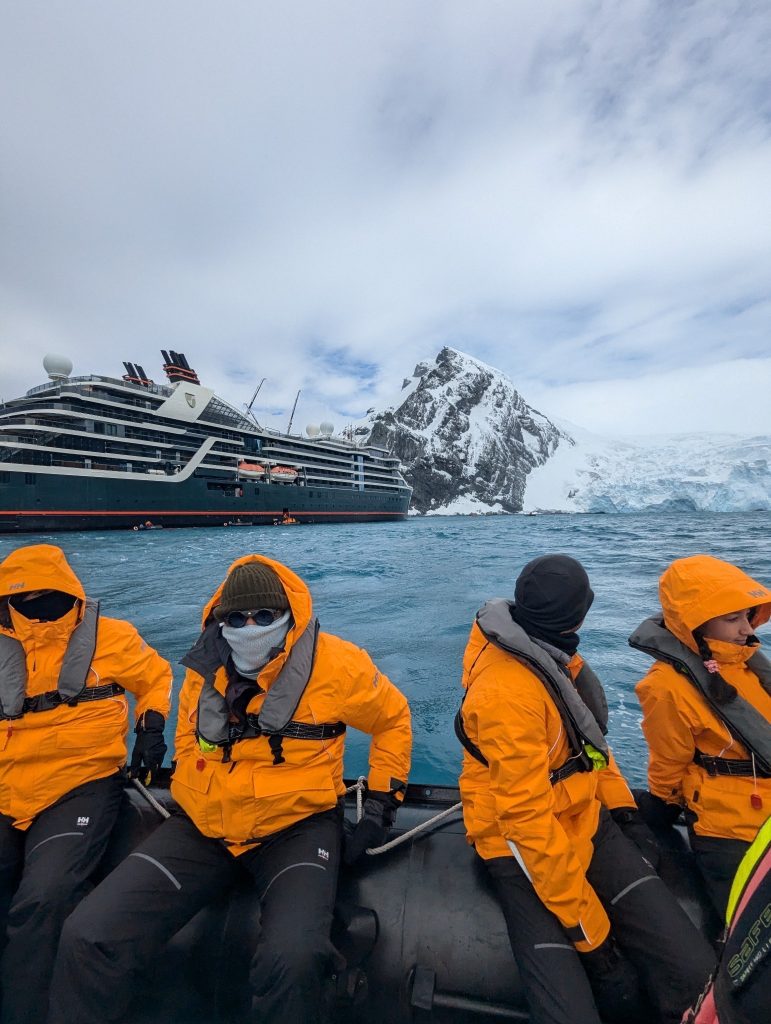
Our ship, from the Zodiac
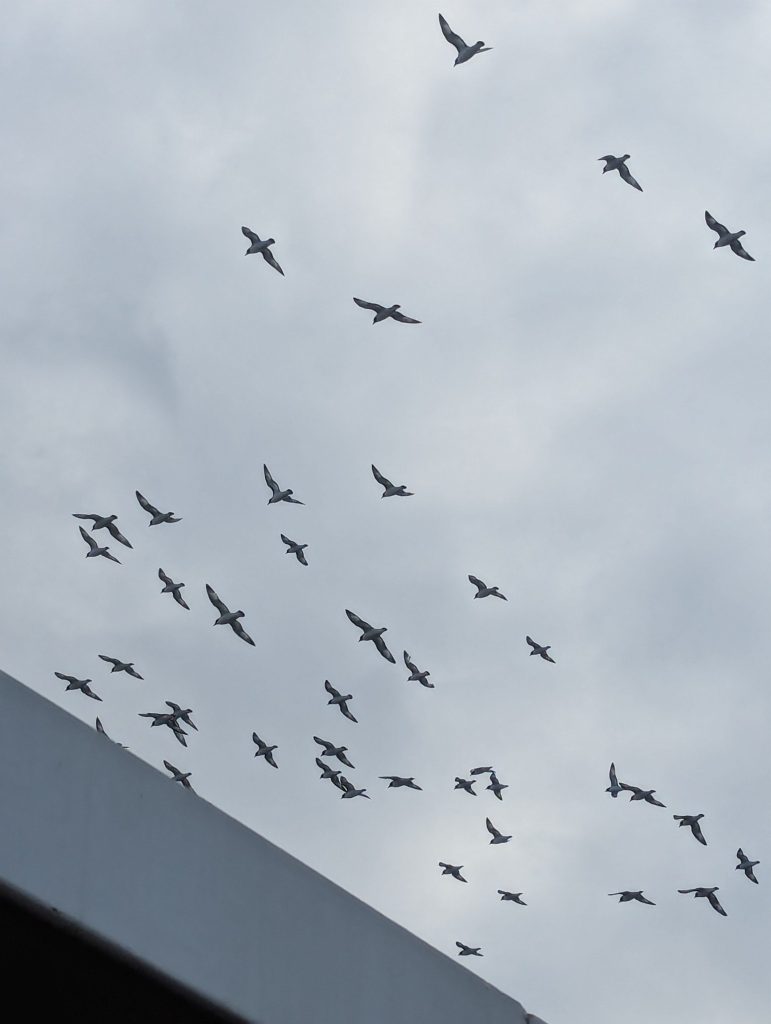
Lots of albatross’ following the ship. They hardly ever land. Always on the wing.
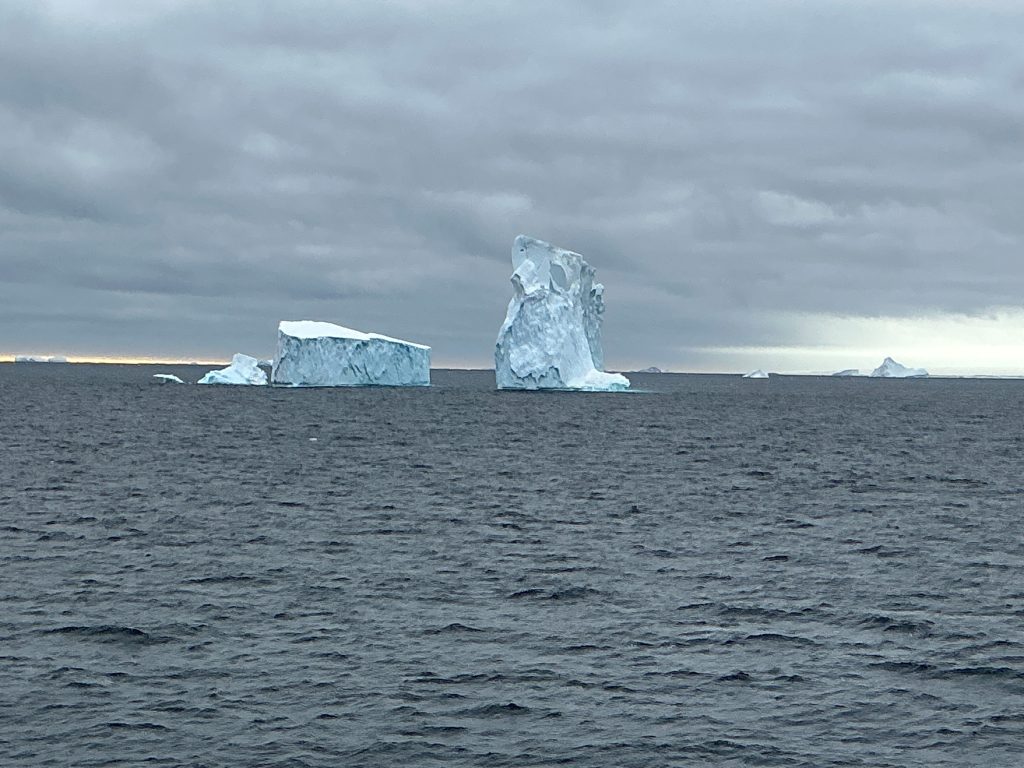
We’re seeing icebergs everywhere
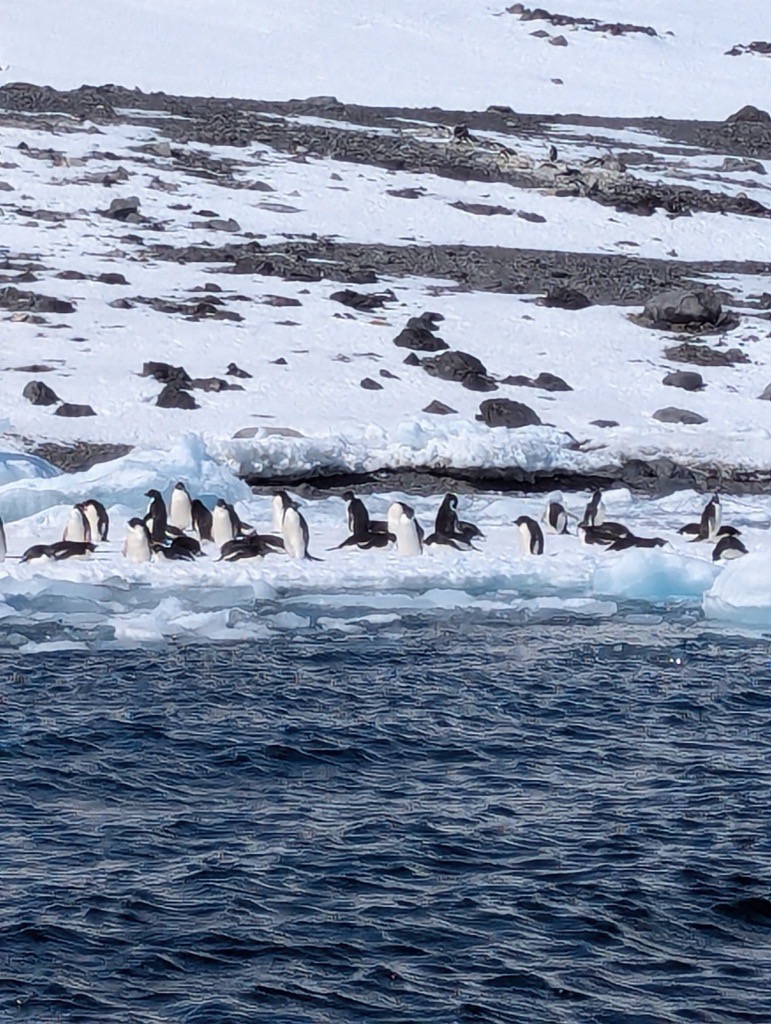
Lots of penguins
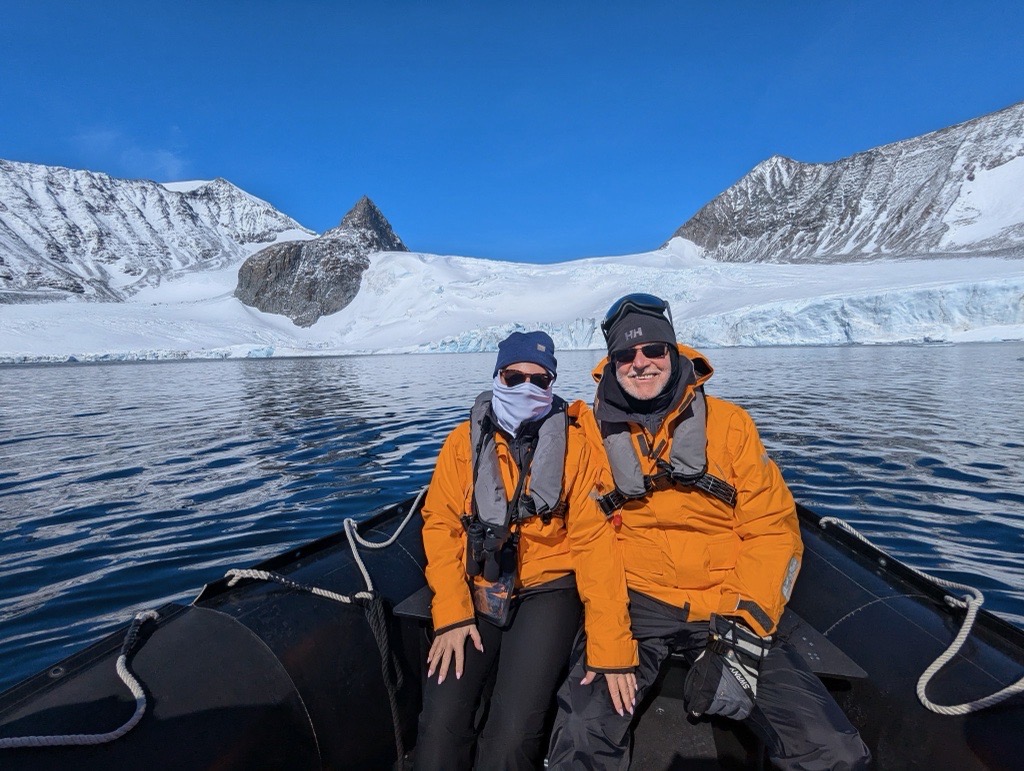
Hallie & I 🙂
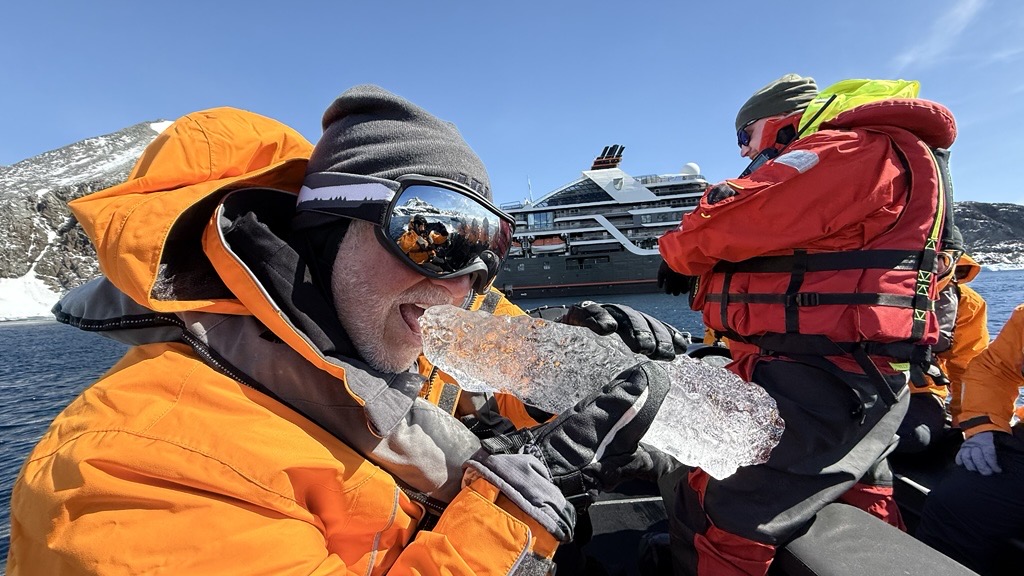
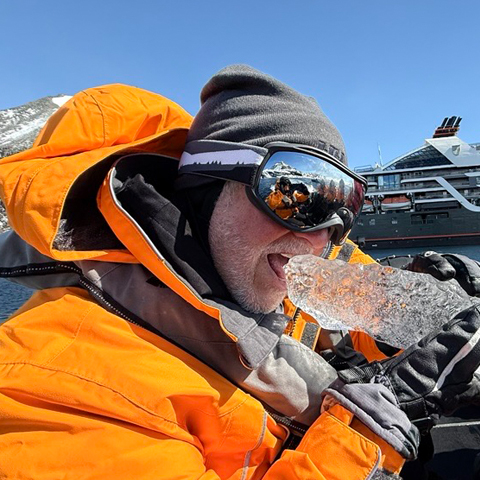
Piece of 10,000 year old glacier ice
Note–we DO have internet connection here due to Starlink. If you have any questions or comments, please just email me, and I’ll get back to you.
Onward!
by Ryan Markiewicz | Dec 20, 2024 | Global Logistics Alerts

Update on ILA-USMX Negotiations
The extension between the International Longshoremen’s Association (ILA) and the United States Maritime Alliance (USMX) expires on January 15, 2025, and the continuing negotiations between them remain contentious. As of today, it is possible that the ILA will again begin a coast-wide strike on January 16th. The situation remains dynamic as we await further developments, but the possibility of a strike increases each day without a settled contract.
In the event of an ILA work stoppage, we anticipate that all USEC and Gulf Terminals will implement the same closure measures as they did in October. We may see halted operations and suspension of gate and rail services, while terminals and nearby depots may not be open to accept empty returns.
The Logistics Plus team will continue to monitor the situation and provide updates as they become available.

by Ryan Markiewicz | Dec 20, 2024 | Berlin's Wall
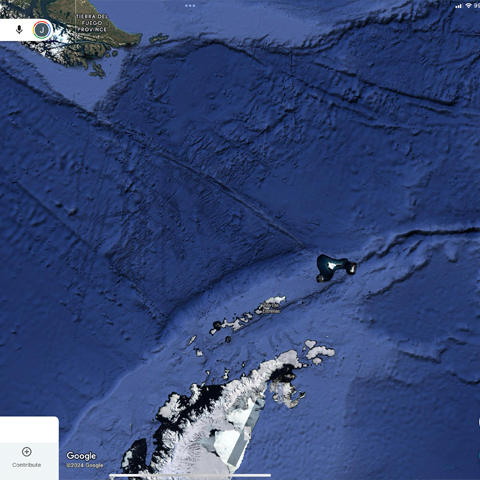
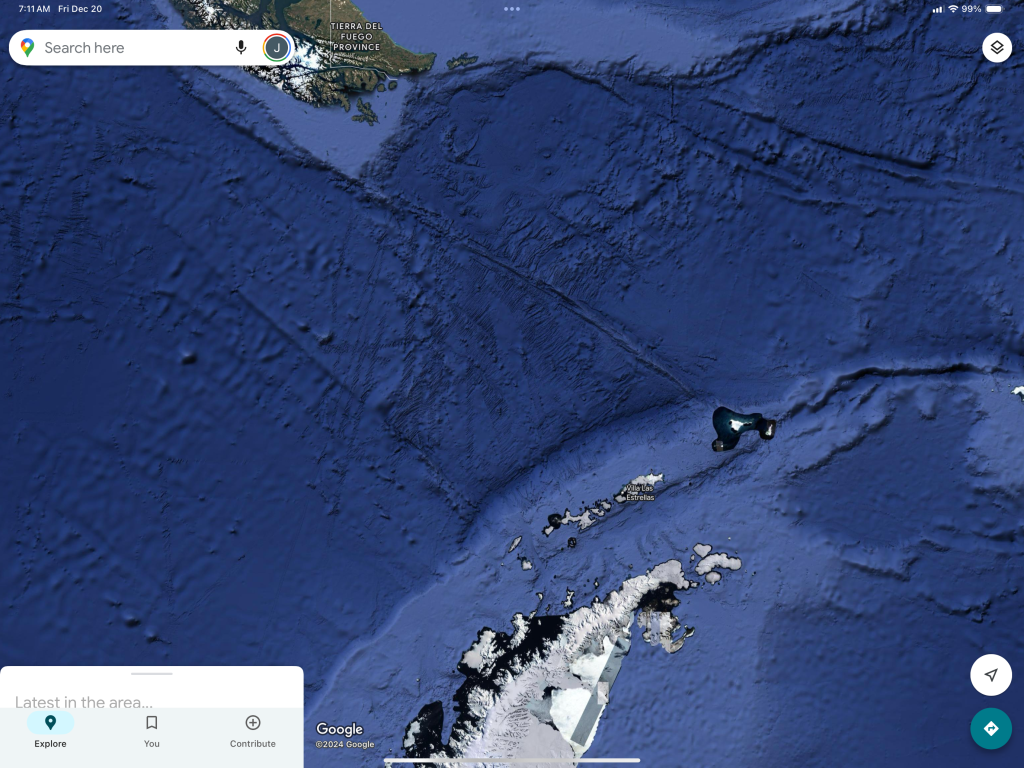
The first couple of days onboard has us navigating Drake’s Passage, the way to Antarctica.
I think it’s about 500 miles, and since it is the place where the Pacific Ocean runs into the Atlantic Ocean around Cape Horn (the southern tip of the Americas), it can be rough sailing.
We have about 30-mile-per-hour winds and 10-foot waves, so it’s a little rough, but the Seabourne Venture is a sturdy icebreaker, so while we are rolling a bit, I’ve seen a lot worse. This is doable.
Now, Yuriy made the point last night, “Why would you leave the lovely warmth of Florida to go down to freezing cold Antarctica?” and my half-facetious response is, “Because I’m a dumbass.” And there is certainly SOME truth to that.
But, as William Shatner, our host, (Captain Kirk from the original Star Trek) said at his welcoming talk–because humans have always been “curious” creatures. That even from the days we first stood up, we have wandered and traveled, looking for “What else is out there?”
I’ll take that as the better (at least more romantic) answer.
Onward!

by Ryan Markiewicz | Dec 19, 2024 | Berlin's Wall
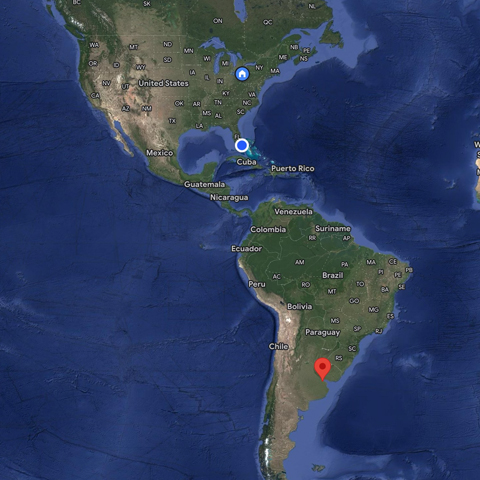
‘It’s a Long Way to Tipperary.’ I’m not sure why that old song popped into my head. Probably because so far, just getting to the ship to start that cruise has been a 36-hour journey. Somehow, I had not calculated for that. But…it’s a long way to Tipperary (Ushuaia). Left our place in Florida at 4:15 am. Left at 8 from Miami airport and flew 9 hours to Buenos Aires. Crashed at a nice hotel in BA. Got up at 4 am this morning to grab some breakfast and catch a 6 am flight to Ushuaia (the southernmost city on earth) and will then (FINALLY!) get to the ship to begin our 10-day cruise to Antarctica. All part of the deal.
I can tell already that this cruise will be different. It is a smaller boat, probably around 200 passengers. An ice-breaker to punch through the ice. The clientele is much younger/more varied than the usual cruises we have been on. And, you can already tell some very interesting people. Not just the “stars” of the show but many of the passengers themselves. An eclectic group. Normally on these cruises, we just keep to ourselves. Friendly enough to others, but not looking to make new friends. This one, I think, will be different.
I’m just wondering, what will be the “highlight” of this trip? Will it be the ship? The service? The talks? The celebrities? The passengers? The excursions? Or just the landscape, unlike any other on earth?
I’m excited to find out. Will let you know.
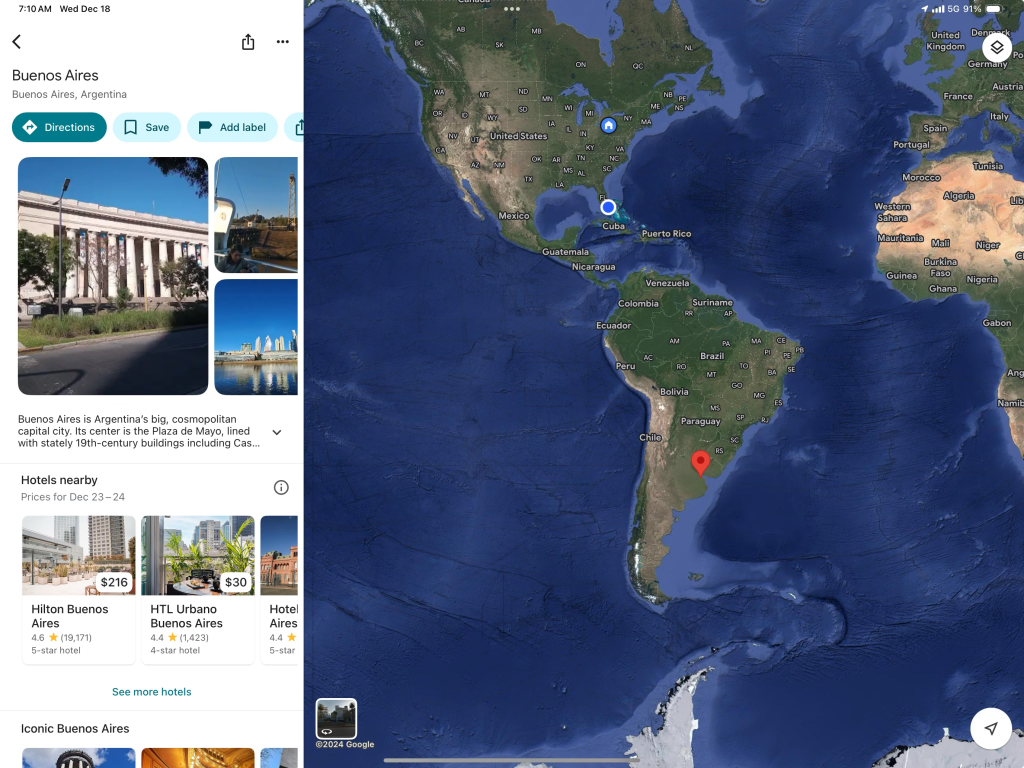
The red dot is Buenos Aires. A long way from Florida (9 hours). Then we fly to the southern tip of the Americas, Ushuaia. That’s another 4 hours. Then we cross Drake’s Passage to get to Antarctica.
Charles Duke is one of the five astronauts aboard. A legend!!
https://en.m.wikipedia.org/wiki/Charles_Duke
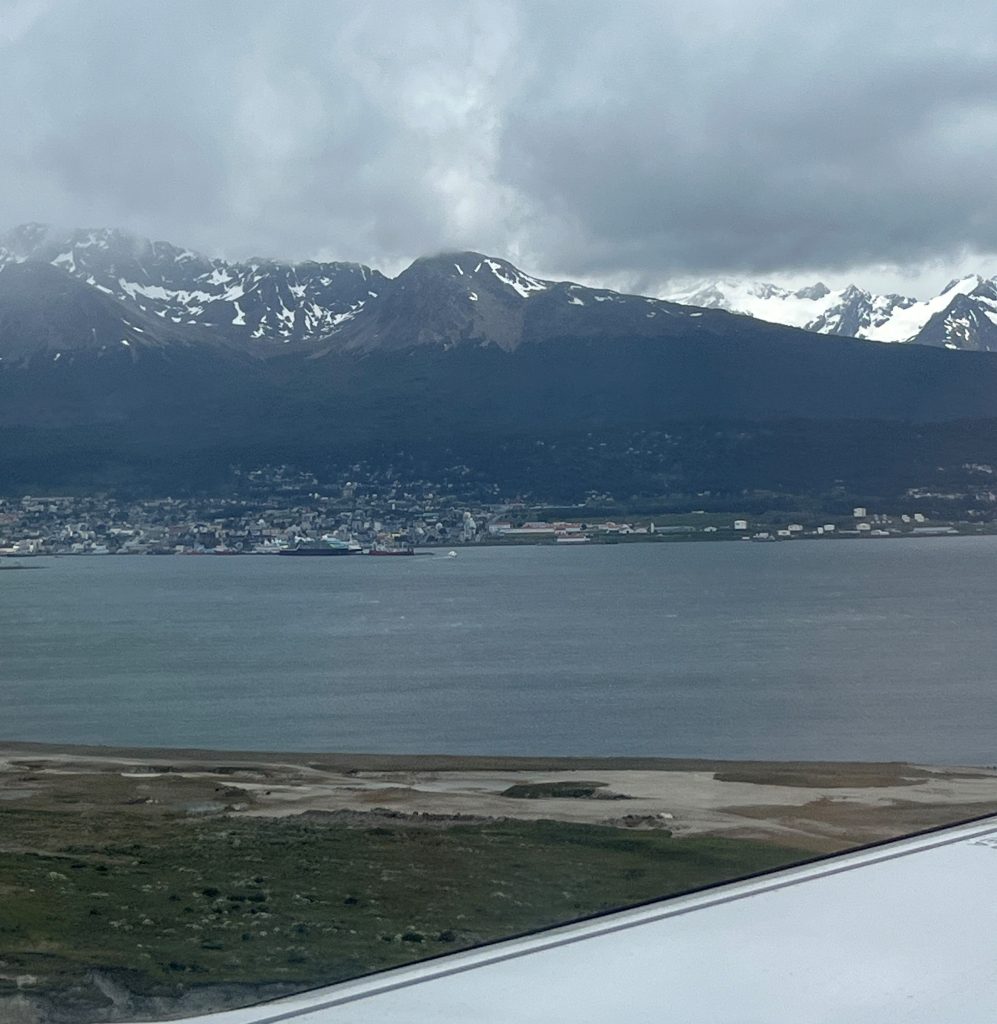
Landing in Ushuaia. That’s our ship awaiting us.
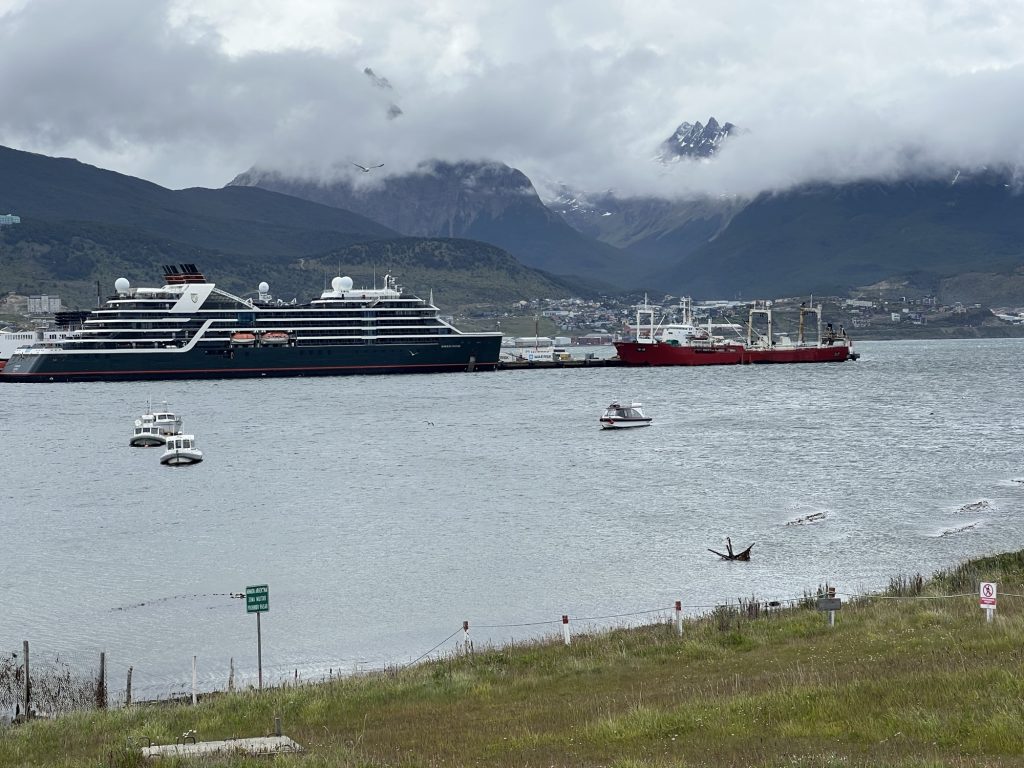
Wonder which one we’re taking??? 🤪
Onward!! -JB

by Ryan Markiewicz | Dec 18, 2024 | Berlin's Wall
Heading South!
Cool video from Neil deGrasse Tyson below.

-JB